
Fishing Clash gives members a fish shooting table where timing, target choice, and bet value shape every round. On JILIKO1225, the title fits players who want clear rooms with PHP/USD entries. This guide is written for new players, helping them understand rules, rooms, and steady choices.
How Fishing Clash operates for online betting rounds
The game uses a sea screen with moving targets and timed shooting chances. Members choose a room, set a shot value, and aim at fish before rounds change. JILIKO1225 presents the table with clear buttons, balances, and result feedback.
Fishing Clash is built around target value, hit timing, and weapon use. Small fish move faster, while larger ones often need stronger shots. Players see PHP or USD values before firing, so each action stays easy to follow.
Each round feels active because targets enter several directions and leave quickly. Members should read movement paths before choosing a shot, instead of firing without a plan. That simple habit makes Fishing Clash easier to understand during busy screens.
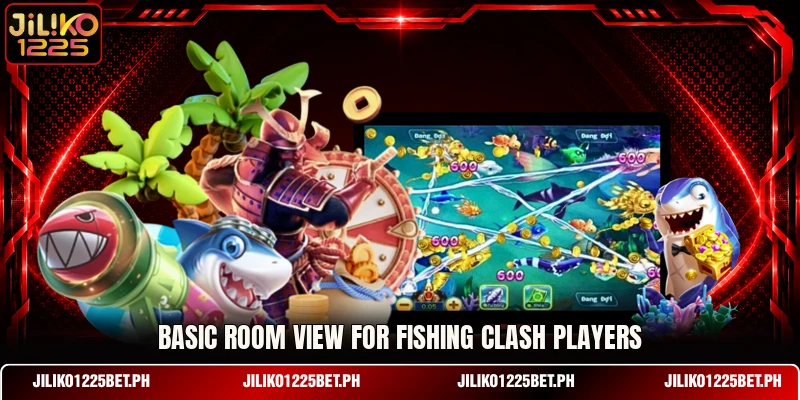
Rules that shape each fish shooting round
Rules help members understand why some shots land and others miss during fast rounds. In Fishing Clash, the main goal is matching target value, weapon power, and timing before a fish leaves.
Fishing Clash objective and bullet basics
Every target has a value, so shots should match fish size. A low bullet may fit small targets, while bosses often need stronger fire. Members should check the displayed cost before using any special weapon.
Bullets leave the cannon in a fixed line, so aim matters on crowded screens. Players can wait until a fish crosses the center before spending more shots. This simple timing can make each hit easier to read.
Special weapons appear during charged moments or feature rounds. They may cover wider areas, hit several targets, or focus on a large enemy. Members should use them when the screen shows enough nearby value.
Reading fish behavior before shots
Fish movement is easy to miss when the screen becomes crowded and fast. Members can watch entry points, turning points, and exits before firing again. This habit supports cleaner decisions during quick changes on the table.
In Fishing Clash, some fish move in lines, while others curve around. Players should aim where the target will pass, not where it already was. That small delay matters when several targets cross the same area.
Large targets often stay longer, yet they can still leave without warning. Members can compare their movement speed with the shot cost before chasing them. Clear movement reading helps avoid wasted shots on poor angles.
Using tools with clear purpose
Weapons should match the target group, because each cannon level has a different cost. In Fishing Clash, stronger fire may suit bosses, but smaller shots can fit light targets. Members should avoid changing power too often during one busy moment.
Some rounds show bonus icons, locked targets, or sea creatures with higher values. Players can wait until these targets move near other fish before using special tools. A wider strike becomes more useful when several targets are close together.
The cannon should point through the longest fish path, not only at the nearest target. Members can place shots toward the middle when many targets cross there. This aiming style keeps the screen easier to read during fast action.
View more: Fishing Strike – Hit Sea Targets For Reward Bursts
Checking round flow after hits
After each hit, the screen gives feedback through coins, effects, or target changes. Members should read these signals before raising the next shot value. Fast clicking can hide useful table clues.
In Fishing Clash, round flow can shift when bosses arrive or bonus scenes appear. Players can slow their shot rhythm until the screen becomes clear again. This makes the next target choice easier during a crowded sea scene.
A good round often has visible paths, fair target spacing, and readable weapon costs. Members should notice when the screen feels too packed for clean aim. Better reading comes from tracking results after every few shots.
Ways to choose tables and play smoothly
Room choice affects speed, target size, and the value shown before every shot. Members should choose a table that matches their preferred pace and PHP/USD entry range.
Picking rooms by table pace
Some rooms move quickly, with small targets crossing the screen in tight groups. Other rooms feel slower because larger fish stay visible for more time. Players should choose the pace that lets them aim without rushing.
Entry values can differ between rooms, especially when PHP or USD stakes appear. Members should check the displayed range before joining a table. A clear entry value helps players understand every shot before the round begins.
Room pace also changes how often special targets appear during play. Fast rooms may offer many small chances, while slower ones focus attention on bigger targets. Members can switch rooms when the current table feels too crowded.
Starting sessions with small shots
A calm start helps players read fish speed, cannon direction, and screen rhythm. Small shots can test the table without forcing rushed choices early. Members can watch how targets react before using higher weapon levels.
During Fishing Clash, early shots also show whether the room feels crowded or open. Players can use this first minute to understand target spacing. That opening view gives cleaner information than firing quickly from the start.
The first round should focus on learning the screen, not chasing every fish. Members can aim at steady targets that move across the center. This keeps decisions clear while the table speed becomes familiar.
Noting signals from sea bosses
Boss targets can draw attention because they are larger and often carry higher values. Players should watch their path before sending repeated shots toward them. A boss moving near the edge may leave before enough hits land.
Some bosses appear with smaller fish, effects, or bonus signs around them. Members can use those moments to compare nearby value before firing stronger shots. The best angle usually comes when the boss crosses the middle area.
Sea boss signals also help players decide whether to stay in the room. If bosses appear often but leave too quickly, another table may feel clearer. Members should base room changes on visible action, not sudden guesses.

View more Category: Fish
Conclusion
Fishing Clash gives players a clear fish shooting format where target reading, timing, and room pace matter. The game page on JILIKO1225 keeps PHP/USD values visible, so members can follow each round with less confusion. Register, download the app, choose a suitable room, and good luck with every shot.